


























This winter, the Northeast experienced its heaviest snowfall in nearly 11 years, becoming the ninth-biggest snowstorm in New York City history. Heavy snowfall and high-speed winds shut down the city, leading to travel restrictions, schools closing, and even some deaths as temperatures plummeted. But why the sudden severe weather conditions? The answer is simple: climate change.
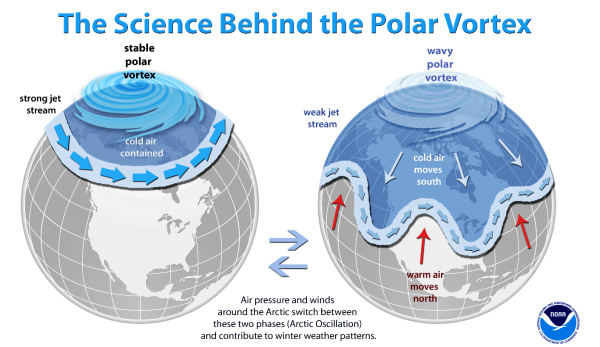
As a result of greenhouse gases being released into the atmosphere, global temperatures have been rising, bringing record highs each year. This trapped heat not only warms the planet, but also affects the water cycle, shifts weather patterns, and melts land ice. This has led to an increased frequency and intensity of severe weather events such as hurricanes, flooding, storms, droughts, and wildfires. This year’s winter storm was caused by a collapsing polar vortex. Jet streams are narrow, fast-moving bands of wind that encircle the earth, guiding storm systems and determining weather patterns. There is a jet stream around the Arctic creating a “polar vortex” that keeps cold air contained. Due to climate change, however, the jet stream has become “wavy,” causing uncontained, cold Arctic winds to move southward. This has led to winter weather becoming more severe and cold.
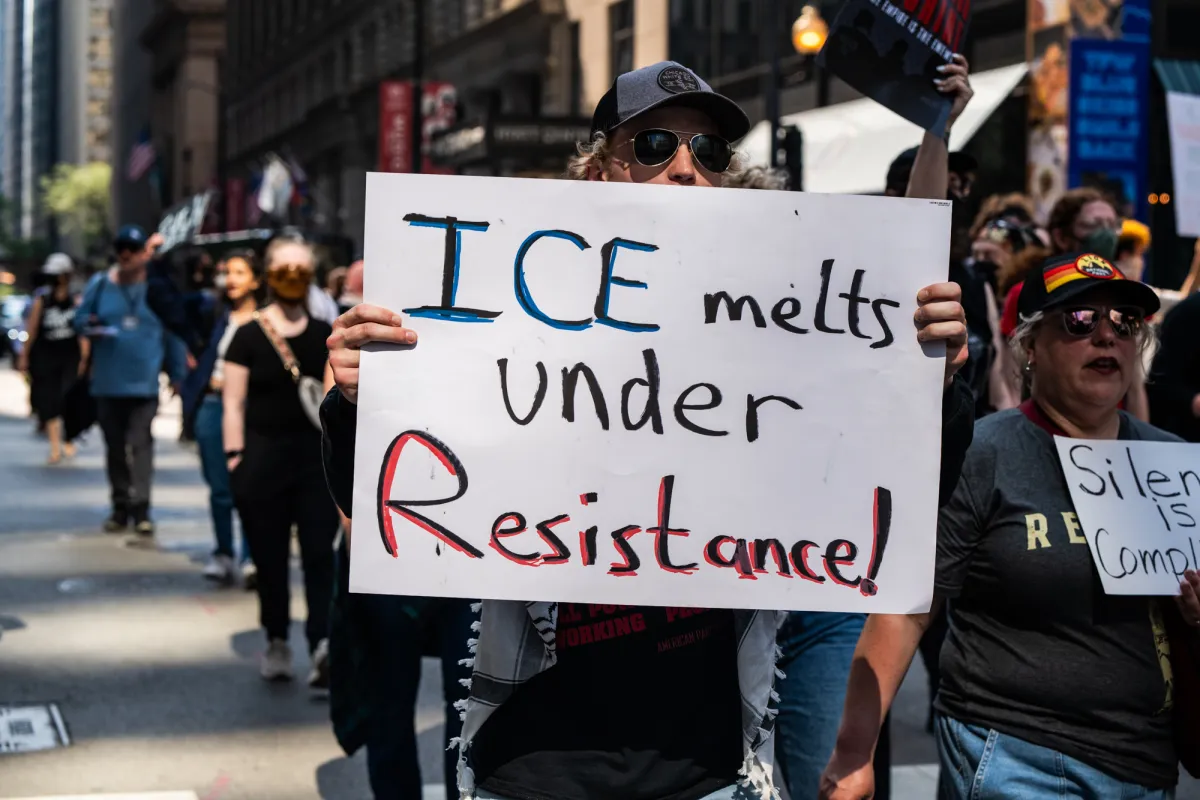
With the negative effects of climate change being far-reaching, it’s obvious that the United States should be doing whatever it can to mitigate these effects and maintain the health of our planet. Previously, this was the goal, with policies regulating power plant emissions and vehicle pollution, funding directed towards clean energy projects, and millions of acres of protected lands to preserve biodiversity. Trump, however, has turned his back on these policies. In his mission to “Protect American Energy,” he intends to remove limitations on the fossil fuel industry, leading to the reversal of America’s environmental goals and the withdrawal from many international commitments due to the belief that climate change is a hoax. Under the Trump administration, billions in funding toward clean energy and climate research have been blocked, pollution regulations and standards have been reversed, thousands of federal workers in various environmental agencies have been fired, environmental justice programs have been dismantled, and the United States has withdrawn from 66 international climate agreements. His policies arrive at a time when environmental activism is critical, especially as the effects of climate change worsen. So, what can we do?
At this time, involvement within your own community becomes crucial. Local environmental advocacy can help address issues at their source, ensuring environmental justice and directly improving the health and future of your own community. Some ways to take action include volunteering with environmental conservation groups, getting involved with local politics by contacting city officials and attending town hall meetings, donating to climate action groups, and educating yourself and others about ways to participate in environmental advocacy.
Resources: