Primary Upset Sets the Stage
The path to the general election was dramatically shaped by the Democratic primaries in June 2025. A broad field of eleven candidates, many holding prominent positions in New York politics, competed for the nomination.
Former Governor Andrew Cuomo was considered the frontrunner, having raised over $8 million from a combination of fundraising and public matching funds. As the primary date neared, Cuomo, along with City Comptroller Brad Lander, City Council Speaker Adrienne Adams, and State Assemblymember Zohran Mamdani, emerged as the most popular contenders.
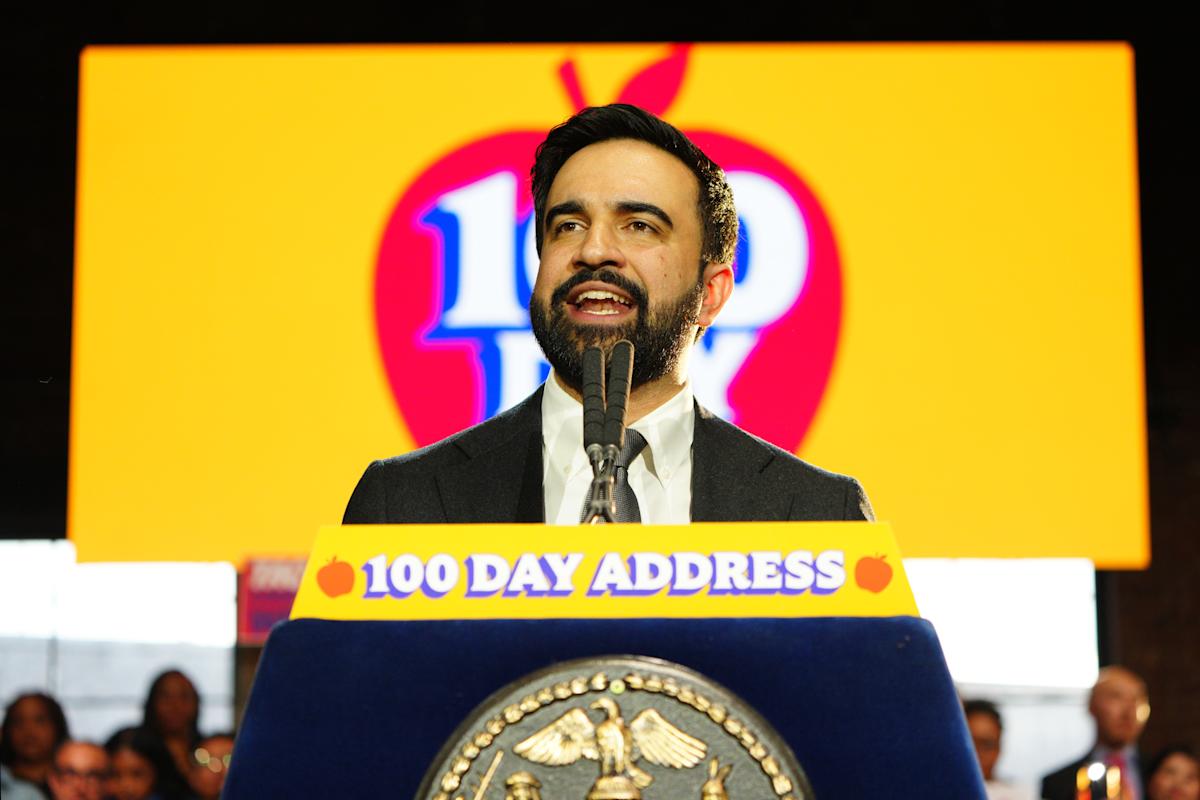
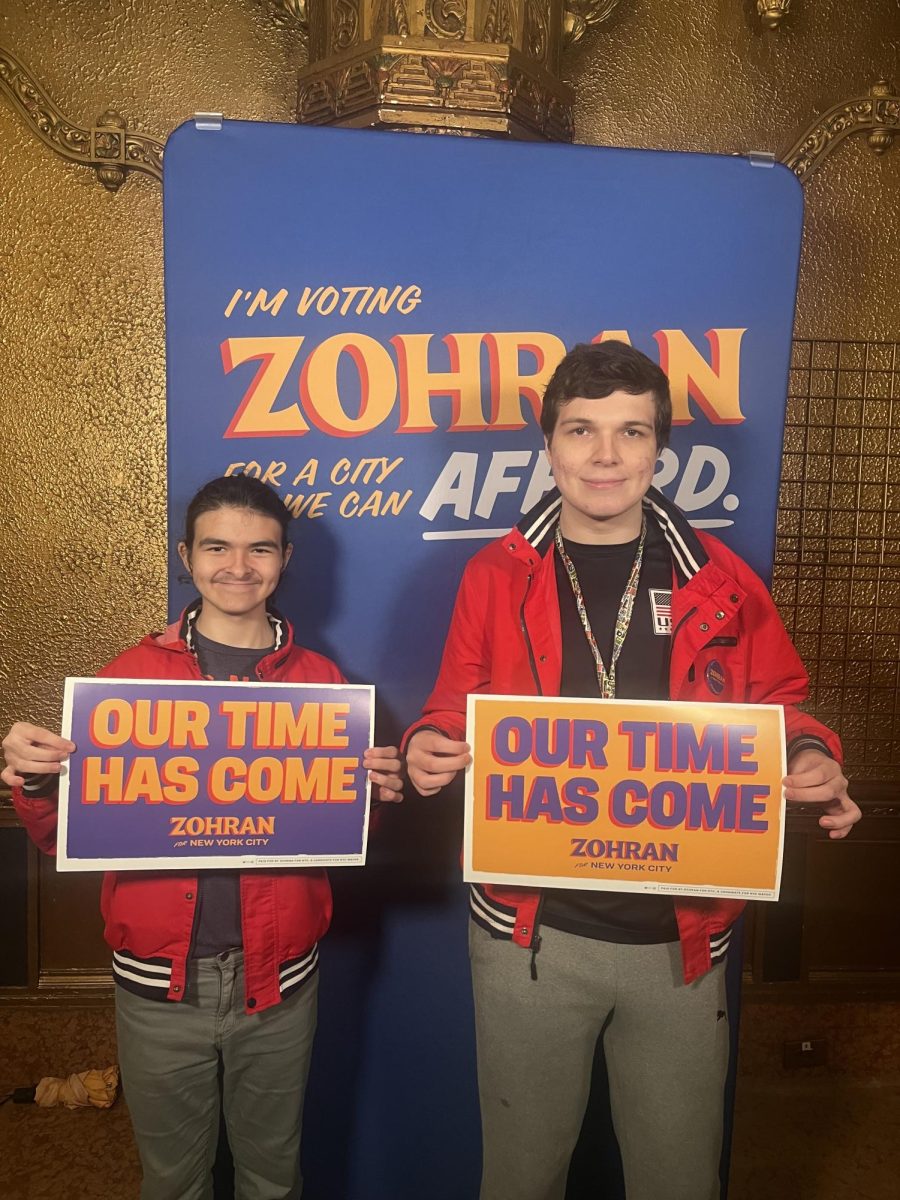
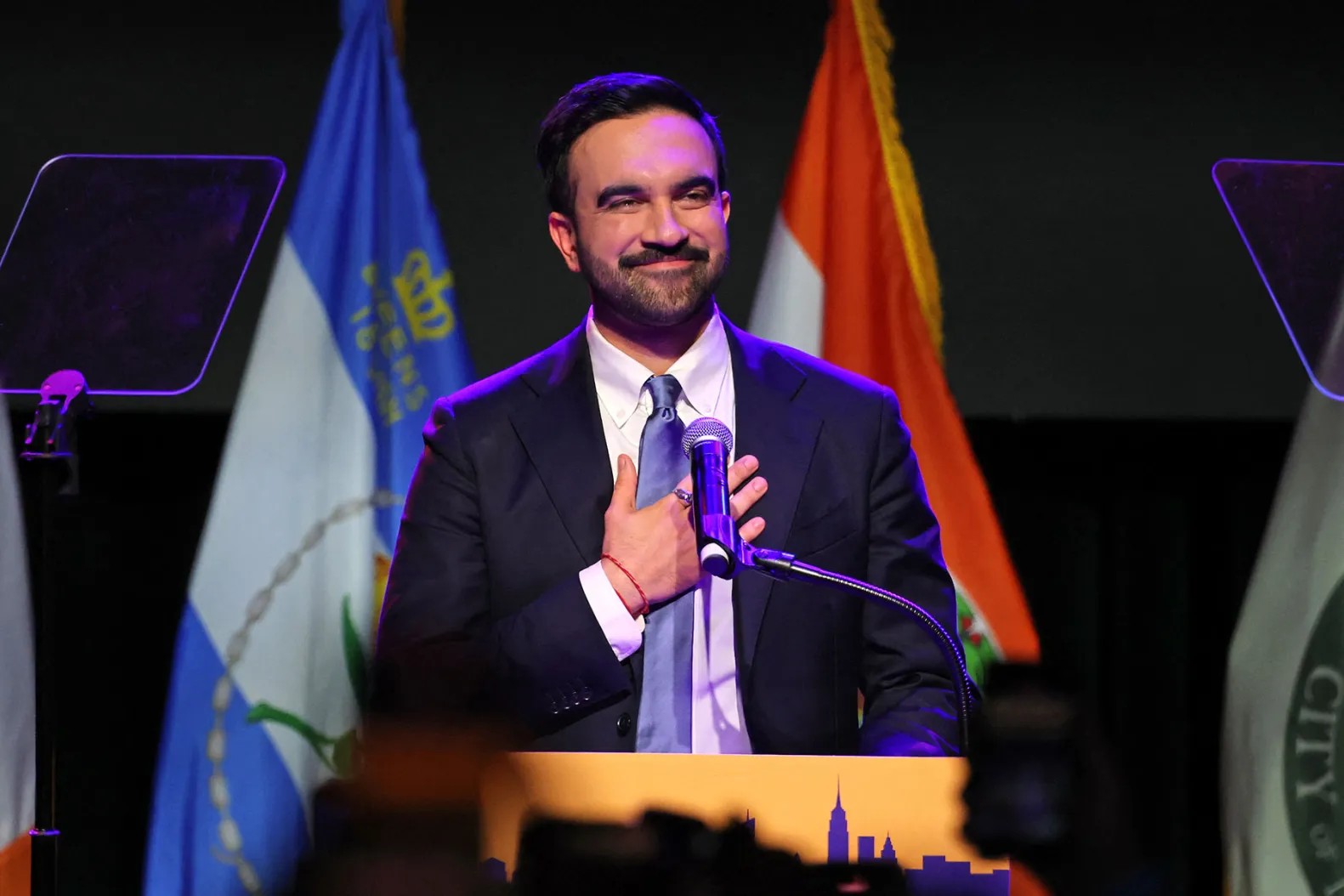
The primary election, held on June 24, 2025, used ranked-choice voting. In a surprising upset, Zohran Mamdani won the nomination. Mamdani won approximately 44% of the vote in the first round and ultimately clinched the victory with 56% of the votes in the second round. His primary rival, Andrew Cuomo, received 36% in the first round and 43% in the second. Brad Lander, who cross-endorsed Mamdani before election day, finished in a distant third with 11% of the first-round vote before being eliminated.
The Road to the General Election
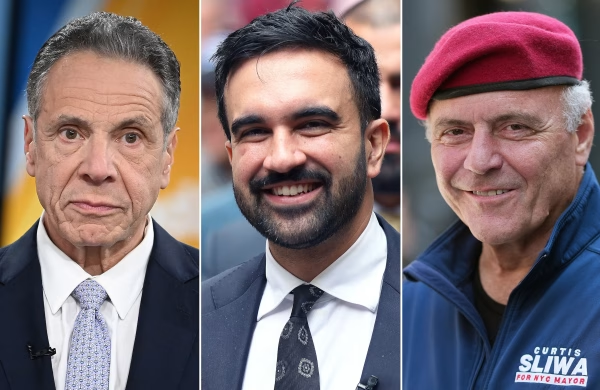
By early November, the mayoral race had shrunk to three major candidates, following the withdrawal of Mayor Eric Adams in September. The general election featured:
- Zohran Mamdani (Democratic Party nominee)
- Andrew Cuomo (Independent)
- Curtis Sliwa (Republican Party nominee)
The Candidates, Their Promises and Platforms
Zohran Mamdani (Democratic)
Born in Uganda in 1991, Mamdani’s family relocated from South Africa to Morningside Heights, NYC. He is an alumnus of Bronx Science, a specialized high school. In 2020, Mamdani was elected to the NY State Assembly with the endorsement of the Democratic Socialists of America (DSA), representing Astoria until his successful mayoral campaign this year. As an assembly member, his focus included debt relief for taxi drivers, expanded subway service, and advocating for fare-free buses.
Mamdani’s mayoral platform centered primarily on affordability for working-class New Yorkers. Key policy proposals included:
- Housing: A rent freeze for rent-stabilized tenants and a plan to build 200,000 affordable homes.
- Transit: Eliminating fares for MTA buses to create “fast and free” service by removing the OMNY card tapping requirement and implementing other improvements.
- Public Safety: Establishing a “Department of Community Safety” to address mental health issues related to homelessness, replacing the NYPD’s role in handling most homelessness complaints. (Mamdani supports maintaining the NYPD at its current size.)
- Social Programs: Implementing universal free childcare and establishing city-owned grocery stores to address high food prices.
- Tax Policy: His most prominent and controversial proposal is raising the city’s corporate tax rate from 8.85% to 11.5%, matching New Jersey’s current rate.
Mamdani’s policy positions and his ties to the DSA have created tension between him and establishment Democrats. He also faced criticism for his foreign policy views, stating during the campaign that he would arrest Israeli President Benjamin Netanyahu, concurrent with an International Criminal Court warrant, if Netanyahu were to visit New York City.
Andrew Cuomo (Independent)
Andrew Cuomo, born in Queens in 1957, is the son of former New York Governor Mario Cuomo (1983-1994). He served as Secretary of Housing and Urban Development during the Bill Clinton administration before being elected New York Attorney General. He was elected Governor in 2010, serving three terms until his resignation in 2021.
As Governor, Cuomo oversaw major infrastructure projects, including renovations of LaGuardia Airport and Moynihan Station, and supported liberal policies such as same-sex marriage, marijuana legalization, and increased minimum wage.
His governorship ended amid significant controversy. Allegations of corruption, including the disbanding of a commission he created to investigate corruption, plagued his terms. More critically, he faced criticism for his administration’s handling of the COVID-19 crisis in nursing homes, specifically for an order that resulted in an estimated 6,000 COVID-related nursing home deaths before being reversed. The final impetus for his 2021 resignation was multiple allegations of sexual harassment.
Running as an Independent, Cuomo’s mayoral platform focused primarily on safety and housing:
- Public Safety: Advocated for hiring 5,000 new police officers, increasing police deployment on the subway, and implementing more anti-fare evasion infrastructure. He also emphasized cracking down on “quality of life” crimes, such as the theft and resale of stolen goods and illegal e-bikes and mopeds.
- Housing: Proposed increasing the supply of affordable housing, continuing initiatives to convert unoccupied office space to residential space, and improving NYCHA conditions.
- Additional Concerns: Proposed reducing classroom sizes, strengthening CTE programs, and expanding healthcare and mental health outreach systems.
Cuomo leveraged his significant name recognition and political experience in the race. His support base included moderate Democrats, older voters, and the business community. His endorsement from the unpopular incumbent, Eric Adams, potentially tied him to the former mayor’s legacy.
Curtis Sliwa (Republican)
Curtis Sliwa, born in Brooklyn in 1954, is the son of Polish and Italian immigrants. In the 1970s, he gained prominence as the founder of the Guardian Angels, an unarmed, anti-crime vigilante organization operating in the subway system. His early years with the group were marked by controversy after he admitted to faking several incidents for publicity. In the 1990s, he transitioned to radio broadcasting until his 2021 mayoral bid, which he lost to Eric Adams.
Sliwa’s platform, like Cuomo’s, was centered on safety and law enforcement:
- Public Safety: Advocated for hiring 7,000 new police officers, reinstating the homeless outreach unit, and increasing police presence to combat fare evasion and subway crime. He also supported keeping the controversial Rikers Island prison open.
- Economic: Advocated for increased anti-corruption efforts, redirecting city funds to small businesses, and encouraging small landlords to build affordable housing.
Sliwa’s long history with the Guardian Angels and his resilient campaign style often defined his messaging. He was frequently labeled a “spoiler” candidate by some observers, who suggested his voter base might otherwise have gone to Cuomo.
The Future for New York City
The election of Zohran Mamdani has placed a transformative affordability agenda at the center of the city’s future. Mamdani’s proposals, from a corporate tax hike to universal free childcare, were key to his victory, resonating strongly with voters eager for change. However, the road ahead is fraught with political and logistical challenges. Ultimately, the 2025 mayoral election was a landmark moment where New York City voters chose a path of radical change; Mamdani’s tenure will now test the viability of that progressive vision in the nation’s largest and most complex city.