
















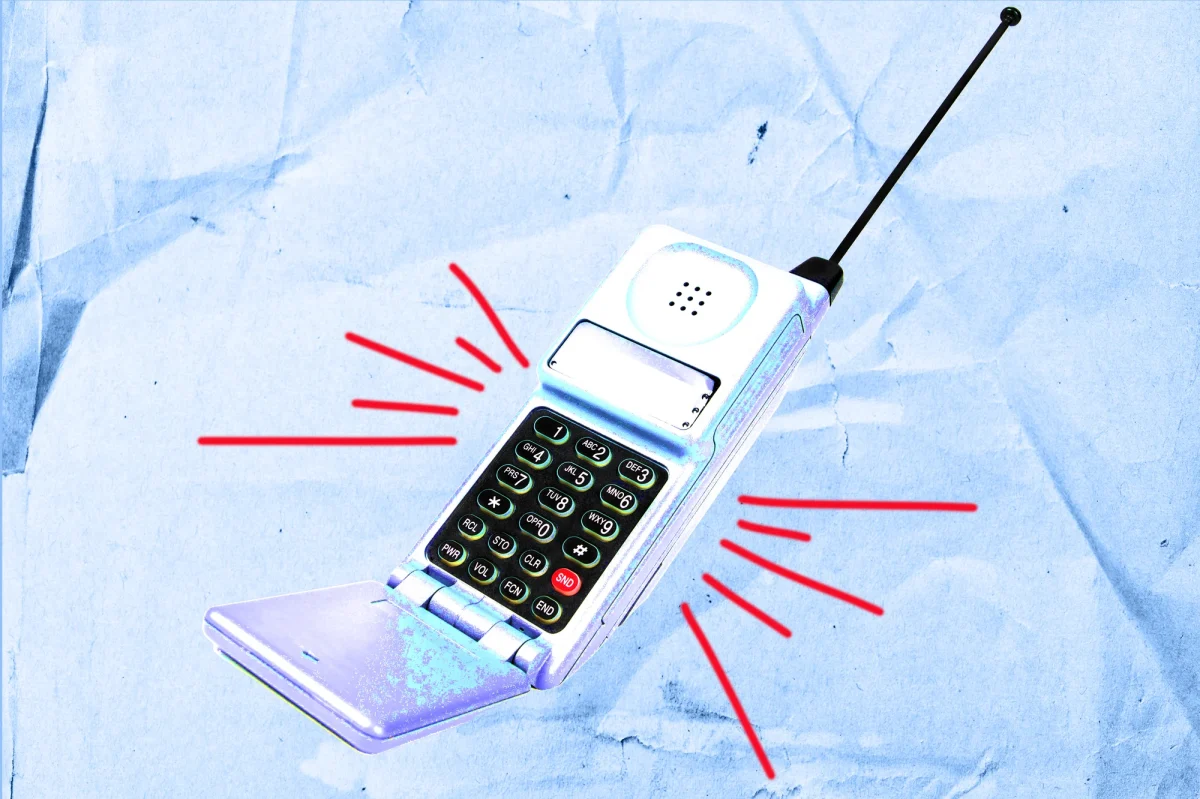













As the 2025-2026 school year begins, New York students are adjusting to a new reality. Governor Kathy Hochul recently implemented a statewide mandate prohibiting all “internet-enabled personal devices” on school grounds. While the ban includes phones, smartwatches, and tablets, the impact at the Urban Assembly Gateway for Technology (UAG) has been particularly striking, as it has students feeling like they are back in the 1950’s
UAG is no stranger to technology restrictions; the school is now in its second year of a device ban. However, the new state law has intensified the policy.
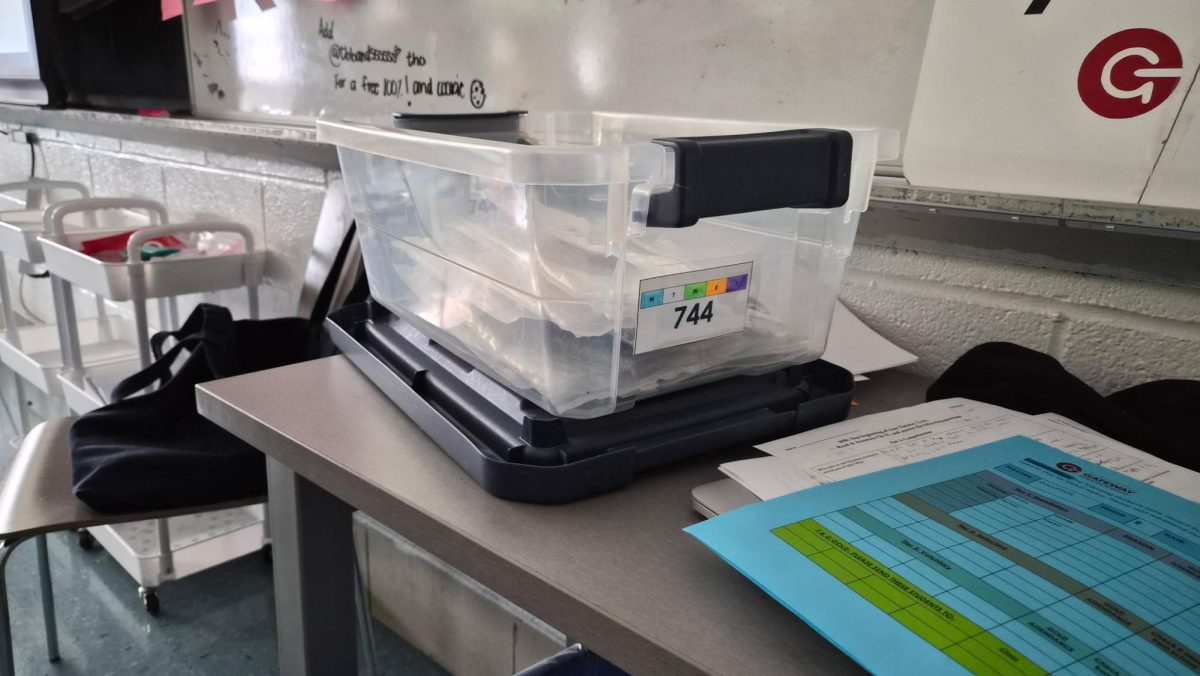
The morning routine at UAG is a logistical operation. As students arrive at the 49th Street entrance, they head to a small room where staff members, such as Ms. Montesir, manage device collection. Each student is assigned a numbered bag. Last year, students only turned in phones. This year, the requirement has expanded to include headphones and smartwatches. Larger items, such as tablets and laptops, are handed over separately, though the school now actively discourages students from bringing them at all.

It’s not easy for students to cheat the rules. All students must pass through morning security scanning, where guards identify any prohibited electronics and hand them over to school staff.
Despite the strictness of the policy, the atmosphere at UAG is surprisingly positive. “I think it’s a great initiative,” says Mr. Schneider, a veteran teacher. “Students are more engaged and are actually interacting with their peers.“
Mr. Lawrence, another veteran educator, shared a story illustrating the ban’s social impact. “I recall one of the first days of school last year. After a student finished a starter, he turned to a peer and asked, ‘If you could time travel, but when you got there you didn’t have any legs, would you do it?’” Lawrence laughed. “It’s silly and absurd, but it’s better than 25 kids in silence with their faces on their phones. It’s humans being real, and that is a great improvement.“
Student reactions vary by grade level, often depending on how much “phone freedom” they remember:
- A freshman take: Jayden Alva is unbothered. “I’m used to it since middle school, so it doesn’t really matter to me.“
- A sophomore take: Jayden Acevedo feels slightly more restricted. “I’m indifferent… but it is still really annoying because it’s restricting access to chatting to your friends or checking up on the media.“
- A junior take: Jacob Petersen noted an increase in productivity. “I feel much more focused and I’m not totally against it, though I think concerns over safety are credible.“
- A senior take: Abdullah Azmi remains indifferent, despite having spent his first two years at UAG with his phone. “I didn’t really use my phone anyway.“
While the initial announcement of the ban sparked outrage, the day-to-day reality has been much calmer. The trend suggests that once the distraction is removed, students adapt quickly. Teachers are perhaps the biggest fans of the change, finally able to lead a classroom without competing with a screen for their students’ attention.