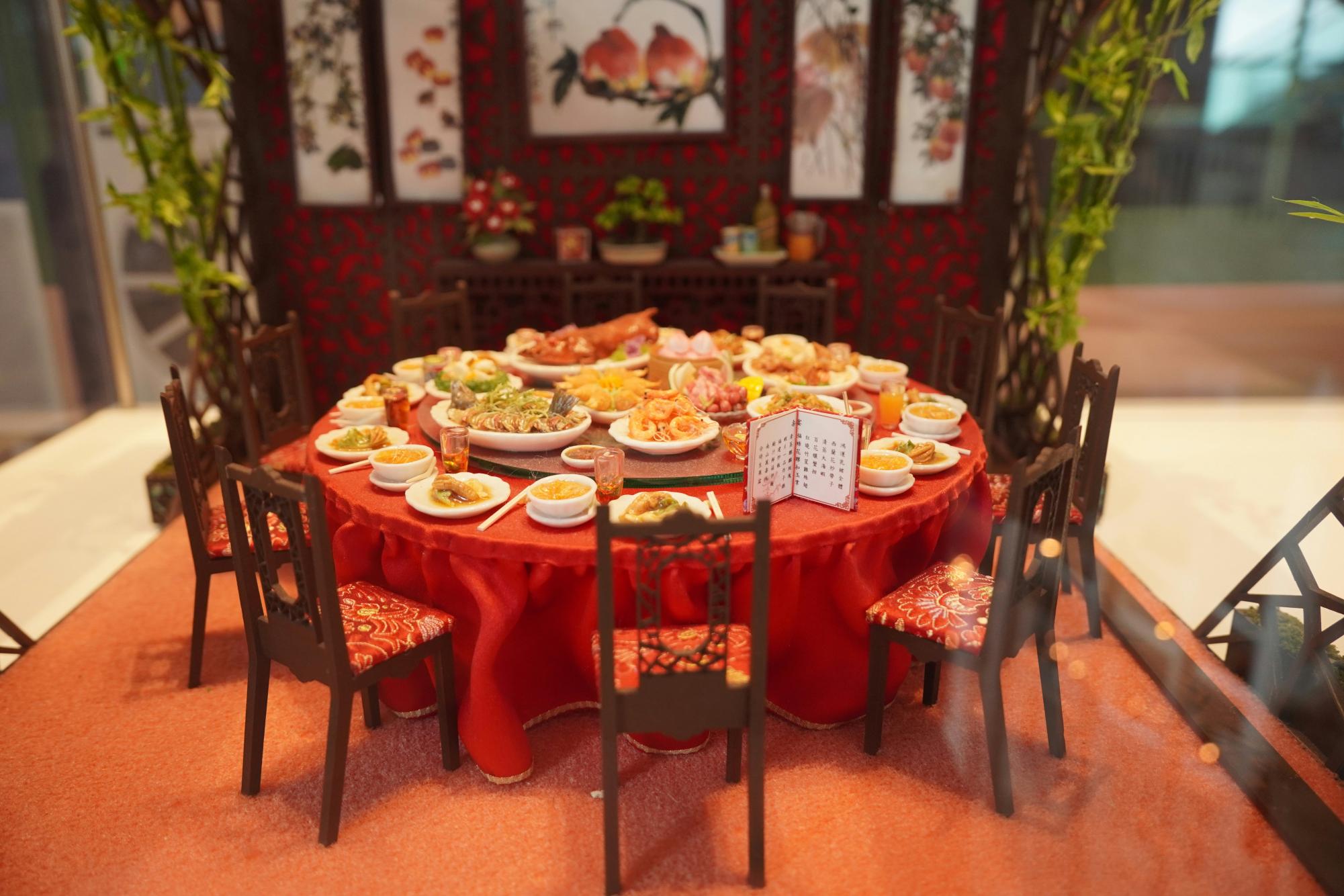
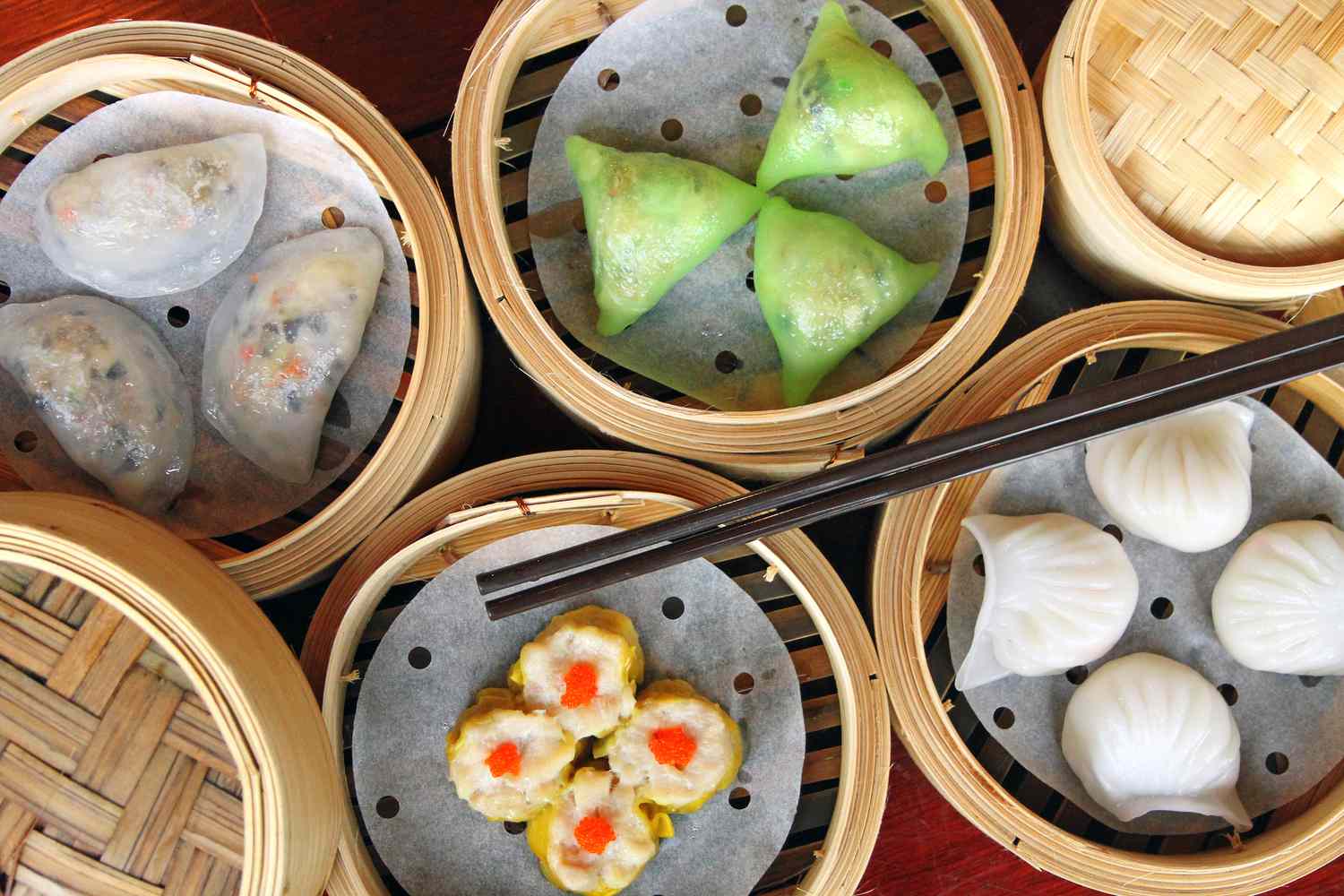
Among Chinese delicacies, traditional dim sum are truly unforgettable treats. Unlike staple foods and meat dishes that fill you up, they are mostly light snacks for daily cravings, entertaining guests and casual chats. Whether paired with tea at morning tea time, shared by the whole family during festivals, or given as gifts when visiting relatives, they all add a wonderful flavor to life. These tiny pastries hold traditional craftsmanship and the unique local customs of different regions.
China is a vast country with abundant resources, and traditional dim sum varies greatly from region to region. Northern China’s pea cake and rolling donkey are mild in sweetness and soft in texture; Jiangnan’s osmanthus cake and Su-style mooncake offer a delicate, sweet taste with a faint floral aroma; Cantonese har gow and char siu bao are exquisite and diverse, boasting fresh and rich flavors; Yunnan’s flower cake and Yunnan ham mooncake feature local ingredients, blending a unique floral fragrance with a salty-sweet taste. Each type perfectly reflects the distinctive local customs of its origin.Actually, the methods for making dim sum are simple, mainly steaming, baking, frying and chilling. Steamed dim sum like malago and aiwo wo are soft and glutinous, with the pure flavor of the ingredients themselves; baked walnut cakes have a crispy crust that crumbles at the bite, with a rich, fragrant taste; fried rice cakes boast a golden, crispy exterior and a soft interior, with a savory oily aroma. Chilled treats such as mung bean cake and almond jelly feature a smooth and dense texture—mung bean cake is sweet and refreshing to beat the heat, while almond jelly is tender and light, making them perfect for summer.
From simple cakes and pastries thousands of years ago to the rich variety of exquisite dim sum today, Chinese dim sum has evolved constantly, yet the sweet and delicious taste and the cultural connection behind it remain unchanged. Each type of dim sum represents the characteristics of a region and holds a unique story within it. With one bite, you taste not only the soft, crispy or sweet flavors, but also the Chinese people’s love for life and yearning for beauty.
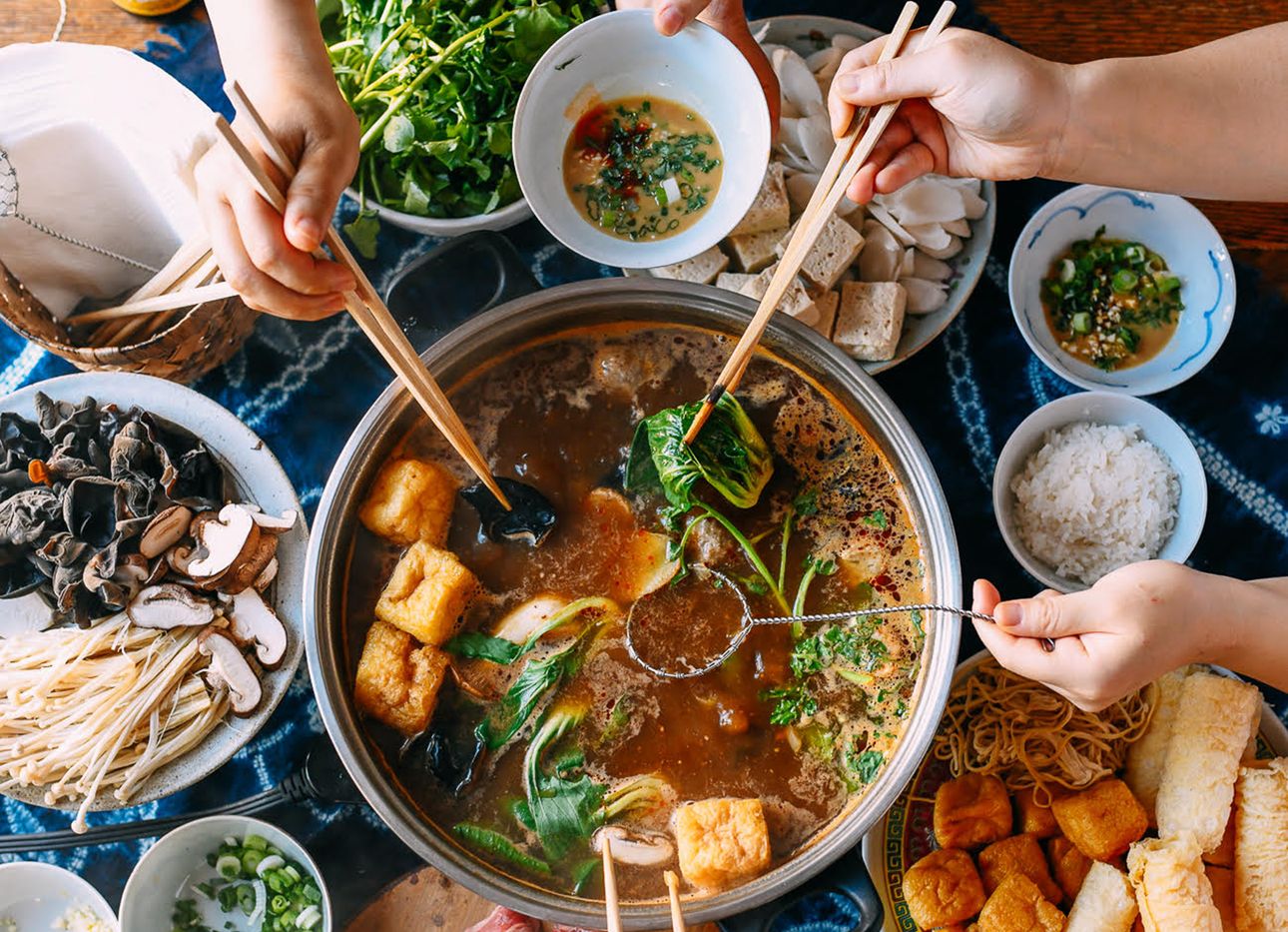
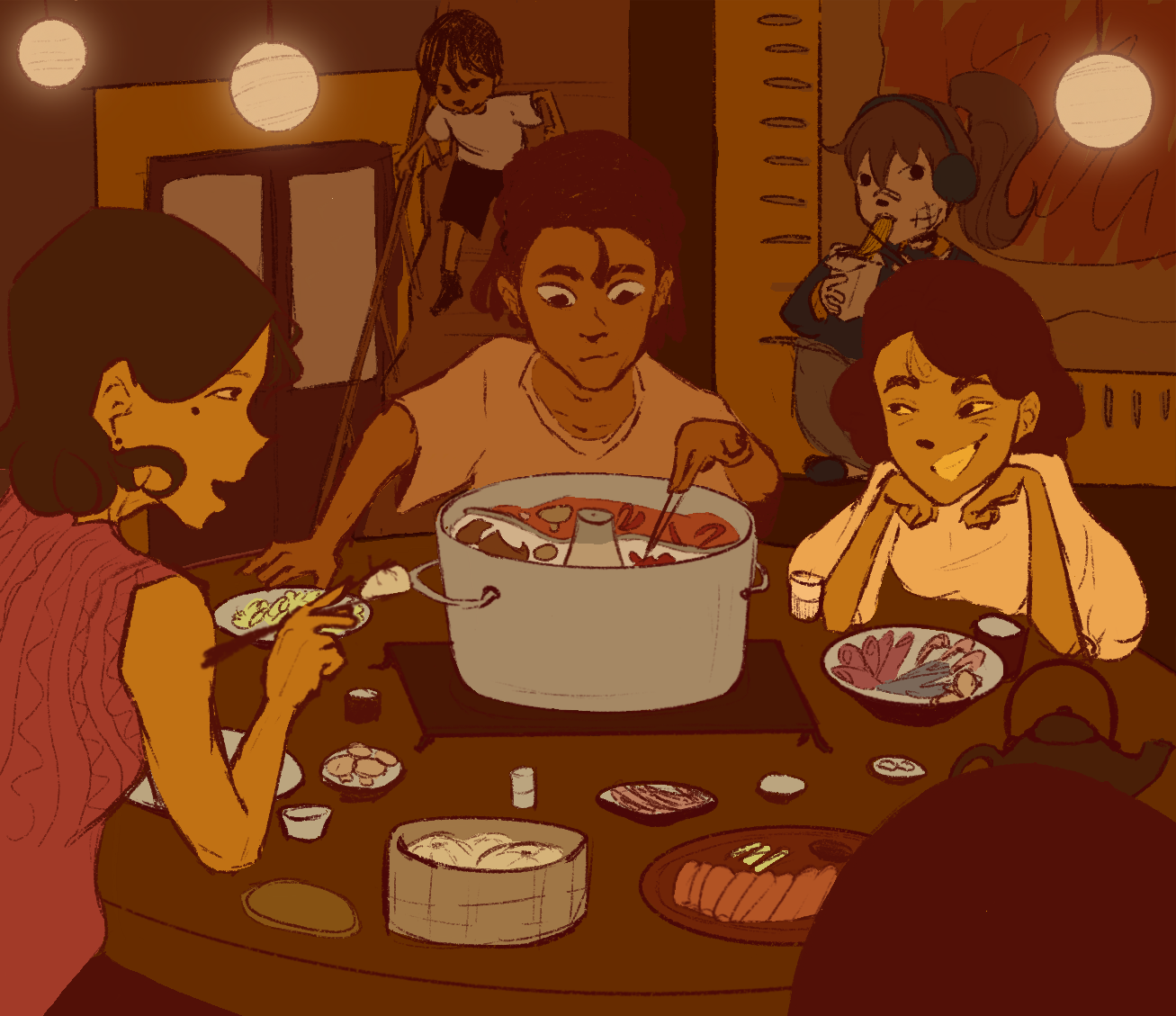
Hot pot is a classic delicacy brimming with earthly charm and inclusiveness in Chinese culinary culture. Centered on the core way of eating,cooking ingredients in a boiling pot around the table and enjoying them fresh right after a quick cook—it has become a beloved social food popular across north and south China among all ages, thanks to its lively dining atmosphere, flexible flavor combinations and abundant ingredient options. It is also the top choice for gatherings with family and friends and warming up in winter, having long transcended being just a food item to become a culinary symbol for the Chinese people to express wishes for reunion and their warm hospitality.
It’s extremely simple to eat. Bring broths such as bone broth, clear broth and spicy red broth to a boil, then add fresh ingredients like beef and lamb rolls, beef tripe, vegetables, mushrooms and meat balls into the boiling broth. Blanch them until cooked, then dip them in seasonings such as sesame paste, sesame oil with mashed garlic and bird’s eye chili before eating. The fresh flavor of the ingredients blends with that of the broth and dipping sauces, creating a rich taste experience. Hot pot boasts distinct regional characteristics in China: Sichuan and Chongqing butter hot pot is spicy and mellow, growing more flavorful as it simmers; old Beijing copper pot shabu-shabu features clear broth paired with sesame paste, highlighting the original taste of the meat; Chaoshan beef hot pot is centered around clear beef bone broth, with freshly sliced raw beef blanched to tender and refreshing perfection. There are also mild broths like tomato and mushroom broth, ideal for those who don’t eat spicy food.
Nowadays, the broths and ingredients of hot pot are constantly innovating, integrating flavors from different regions, and the dining forms have also become diverse. Whether it’s the lively atmosphere of a group gathering around a shared pot or the delicate experience of a single-person meal, it can meet various needs, making this delicacy a highly representative food with earthly charm in Chinese culinary culture.
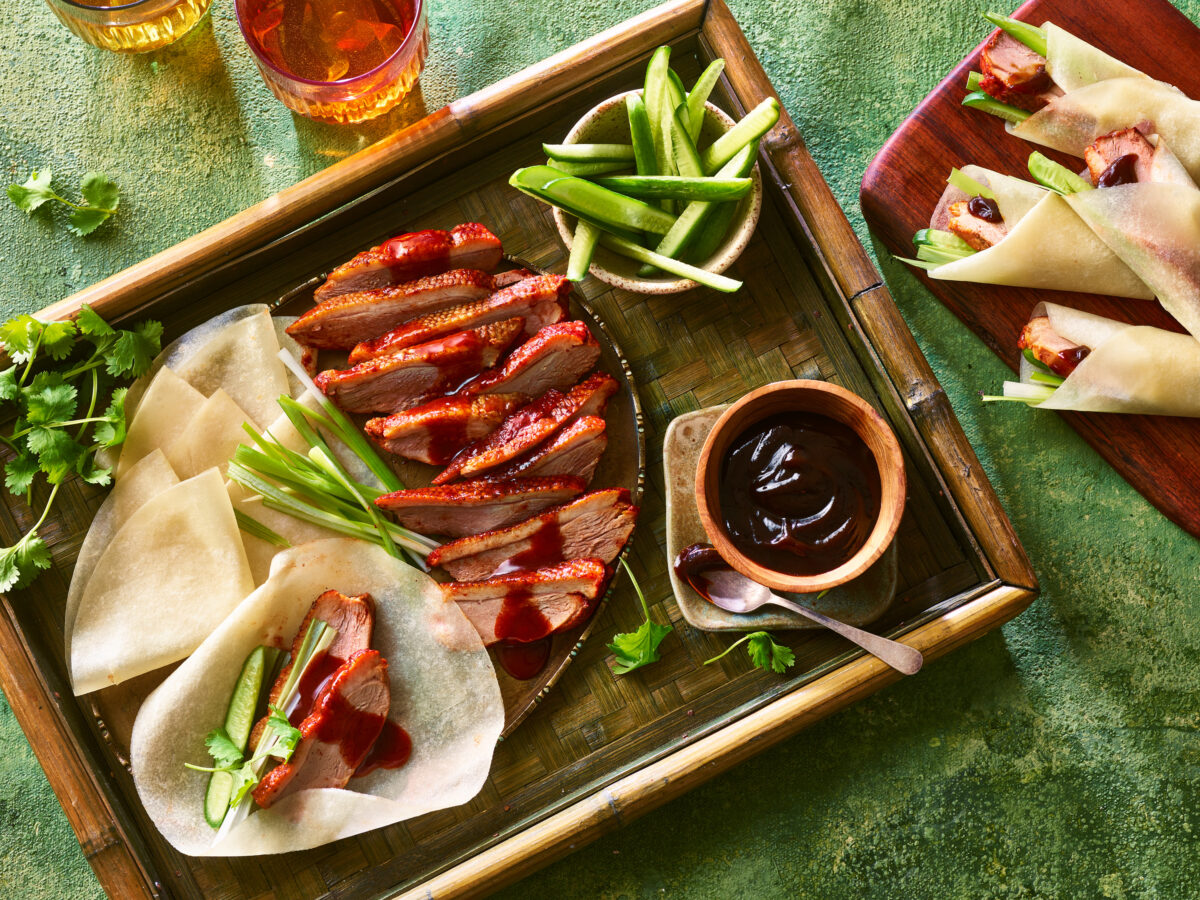
Peking Duck is a world-famous classic dish in China, a representative of Beijing cuisine. With its core features of crispy skin, tender meat and rich fat aroma, it is a must-try for both Chinese and foreign diners to taste Beijing-style food, and has long become one of Beijing’s culinary calling cards.
Its preparation is an elaborate and meticulous craft. Selected Peking ducks are used and after a series of intricate steps including inflating the skin, scalding it, glazing with sugar and air-drying, the ducks are hung in a fruitwood oven and slow-roasted over jujube or pear wood. The smell of the fruitwood infuses the duck meat, resulting in a roast duck with a glossy, rich hue, a crust as crisp as a pastry, and tender, juicy meat that is rich yet not greasy.
The classic way to enjoy Peking Duck is to wrap it in thin pancakes. Sliced crispy duck skin and tender meat are combined with delicate thin pancakes, along with sweet bean sauce, shredded scallion whites and cucumber sticks; candied hawthorn strips can be added for a refreshing touch according to taste. Roll all the ingredients together in the pancake, and the crispness of the skin, the tenderness of the meat, the umami of the sauce and the crunch of the side ingredients blend harmoniously, creating a multi-layered and rich taste experience.Beyond the pancake wrap, the duck skeleton can be simmered into a savory and flavorful duck bone soup, or stir-fried with salt and pepper to make a delicious side dish, achieving the perfect utilization of the whole duck with multiple ways to enjoy it.
With its authentic flavor and exquisite craftsmanship, Peking Duck has become a symbol of Beijing-style cuisine and a culinary icon of China. Every bite is full of the unique charm of Chinese food.